

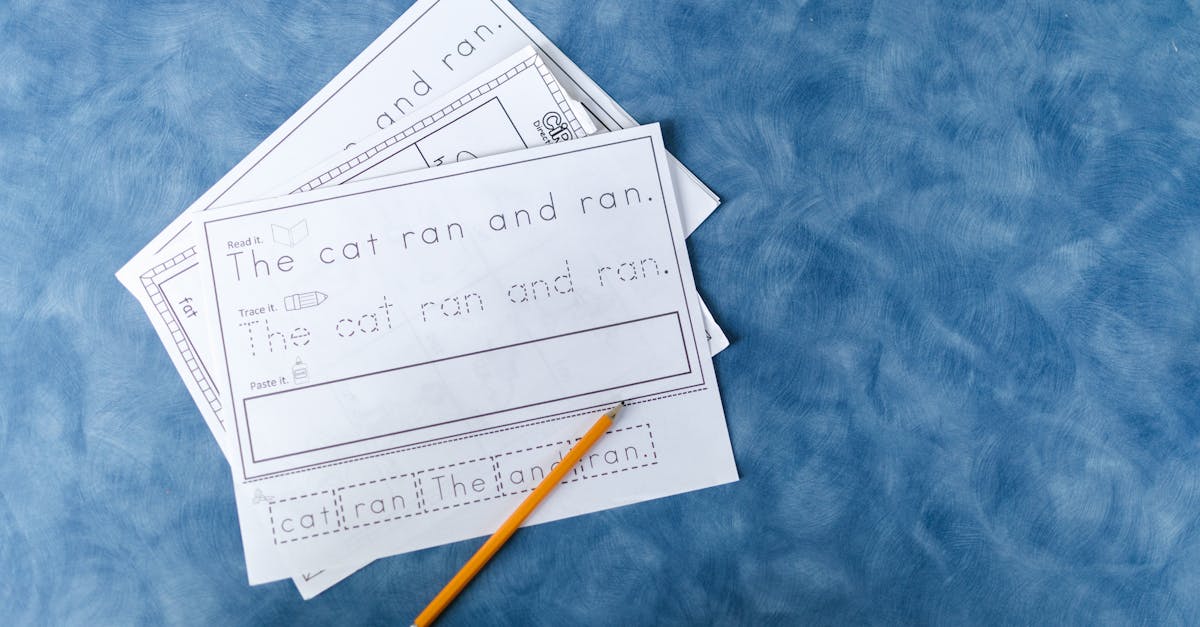
5 Sight Words Worksheets Alternatives That Make Reading Click
If you have a kindergartener at home, you have probably heard of sight words. These are high-frequency words—like “the,” “said,” and “come”—that don’t always follow standard phonetic rules, meaning children simply have to recognize them on sight. While traditional flashcards can work, they often lead to eye-rolls and boredom. Luckily, helping your child master early reading doesn’t have to be a chore. By mixing movement, sensory play, and clever printables, you can transform reading practice into a fun daily highlight.
1. Transform Spelling Practice with Play-Doh Mats
Kinesthetic learners—kids who learn best by touching and moving—often struggle to sit still with a traditional pencil. Bring tactile learning into your routine by combining tactile play with letter recognition. Roll out some Play-Doh and have your child form the shapes of their weekly vocabulary words. To keep the learning structured, you can pair this tactile activity with structured sight words worksheets designed with large, block-letter bubble fonts. Your child can trace the letters with their finger, cover them with flat glass marbles, or press play-dough snakes right over the printed lines to build muscle memory in their hands.
2. Play “Swat the Bug” with a Flyswatter
Turn your living room floor into a giant game board by writing words on sticky notes or index cards, scattering them across the carpet like bugs. Call out a word, and let your child hunt for it using a clean plastic flyswatter. This active approach burns off extra energy while building instant word recognition. If you prefer a mess-free setup that travels well, you can print themed activity pages, slide them into heavy-duty plastic sleeves, and let your child cross off words with a dry-erase marker as you call them out.
3. Go on a High-Lighter Word Hunt in Storybooks
Children need to see high-frequency words in their natural habitat: books! Grab an old, inexpensive paperback book that you don’t mind marking up, or print out a short, simple reading passage. Assign your kindergartener a “target word of the day”—such as “look” or “they”—and hand them a bright yellow highlighter. Set a timer for three minutes and let them scan the page like a detective to find and highlight every single instance of the target word. This teaches them visual scanning skills and shows them why learning these words matters in real-world reading.
4. Build Word Towers with Plastic Cups
Stacking things up and knocking them down is a universal childhood joy. Write targeted vocabulary words on the rims of plastic party cups using a permanent marker. Call out a word, and ask your child to find the corresponding cup to add to their tower. If they can read it aloud correctly, they get to place it on the structure. Keep building higher and higher until the tower inevitably tumbles down, then start all over again. It is a fantastic, low-stress way to practice repetition without tears.
5. Solve Mystery Missing-Letter Puzzles
Once your child is somewhat familiar with a set of words, challenge their critical thinking skills with missing-letter puzzles. Write words with blanks where vowels or consonants should be, and ask them to figure out what is missing. Printable activities that incorporate simple fill-in-the-blank boxes or cut-and-paste letter tiles are brilliant for this. They encourage children to look closely at the beginning, middle, and end of words rather than just guessing based on the first letter.
Helping your kindergartener unlock the joy of reading takes patience, creativity, and the right mix of engaging activities. When you are ready to stock your toolkit with ready-to-print resources that make learning fun, browse our collection of engaging kids’ activities at the Digital Download Direct kids printables category to find everything you need to support your young reader today!