

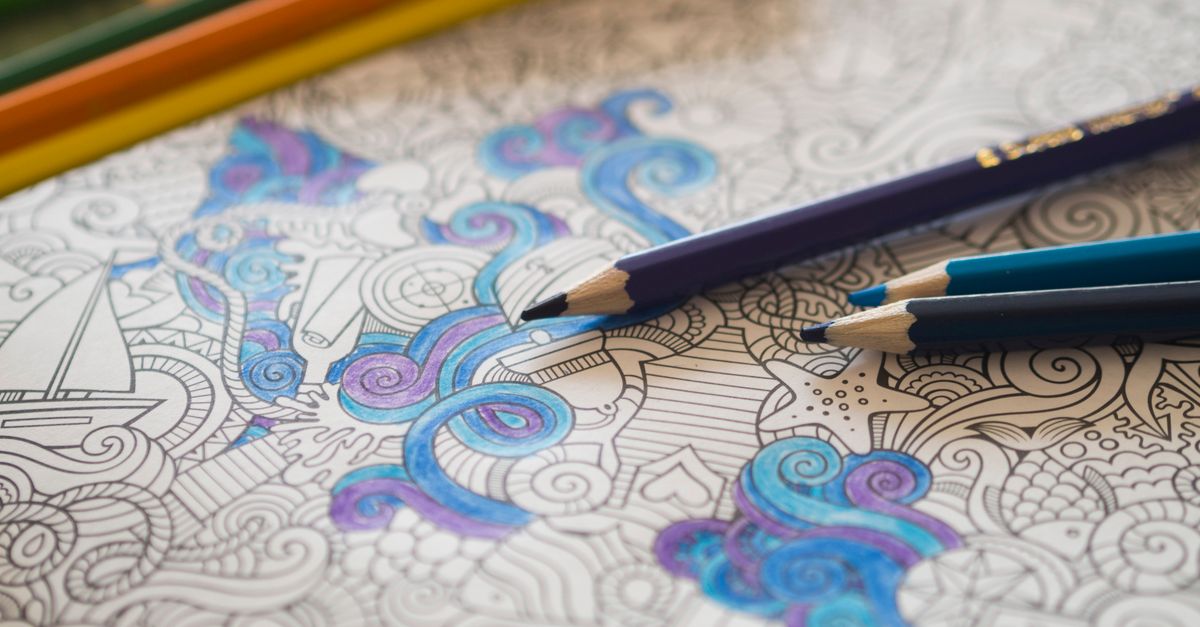
Coloring for Stress Relief: Does It Actually Help?
If your daily routine involves endless scrolling, looming work deadlines, and a mind that refuses to quiet down by bedtime, you are not alone. Modern life keeps our nervous systems in a near-constant state of low-grade alert. When standard relaxation tips like meditation or breathing exercises feel too demanding for an exhausted brain, many adults are rediscovering a surprisingly simple childhood pastime: reaching for a box of colored pencils and a sketchbook. But does coloring for stress relief actually work, or is it just a nostalgic distraction?
The Science Behind the Crayon: How Coloring Calms the Brain
It turns out that clinical psychology and neuroscience back up the relaxing power of filling in shapes. Far from being a mere child’s play activity, coloring is a mindful practice that engages both logic and creativity without placing heavy demands on your cognitive load.
- Shifting focus away from anxiety: Concentrating on staying inside the lines and choosing complementary shades anchors your mind in the present moment, giving your racing thoughts a necessary pause.
- Activating both brain hemispheres: Selecting colors uses the logic-driven left hemisphere, while the physical act of filling in patterns taps into the creative right hemisphere.
- Quieting the amygdala: The rhythmic, repetitive motion of coloring sends signals to your brain’s fear center that you are safe, helping to lower your heart rate and ease physical tension.
Why Adult Coloring Works Even Better Than Meditation
Many beginners struggle with traditional meditation because sitting in total silence often makes mental chatter feel louder. Coloring for stress relief provides a tangible anchor. Because your eyes and hands are actively busy, your wandering mind has a gentle physical task to tether itself to. It offers a structured form of art therapy that requires zero artistic background or drawing skills. You do not need to figure out what to draw—your only job is to bring life to an existing pattern.
How to Build a Quick and Effective Coloring Routine
You do not need hours of free time or an expensive art studio to reap the mental health benefits of this practice. Turning coloring into an effective stress-management tool is all about intention and small, manageable habits.
- Keep supplies within arm’s reach: Store a printed design and a small pack of colored pencils or markers on your coffee table or desk so they are ready the moment you feel overwhelmed.
- Set a timer: Dedicate just 10 to 15 minutes each evening right after work to transition from “productivity mode” to relaxation.
- Let go of perfectionism: Remember that this is not about creating a masterpiece to frame; it is entirely about the soothing sensory experience of the process.
If you are ready to trade evening doom-scrolling for a restorative, creative wind-down routine, exploring our curated collection of coloring pages is the perfect place to start. Grab your favorite pencils, print out a calming design, and give your mind the gentle mental break it deserves today.