

When you live with chronic pain or a long-term illness, your memory becomes an unreliable narrator. By the time you’re in the doctor’s office, the flare that wrecked your week two weeks ago is a blur. Tracking your symptoms changes that — it turns “I’ve just been feeling bad” into clear patterns you and your care team can actually act on. If you’ve been wondering how to track chronic pain and symptoms without it becoming a second job, a simple printable tracker is the easiest place to start.
Why tracking is worth it
A good symptom log does three things. It helps you spot triggers and patterns — foods, weather, stress, activity, sleep — that you’d never connect from memory alone. It makes doctor visits far more productive, because you can show up with real data instead of trying to recall months at a glance. And it can be genuinely validating: seeing your experience written down, day after day, is a reminder that what you’re dealing with is real and worth taking seriously.
What to actually record
You don’t need to track everything — that’s the fast track to burnout. A sustainable log usually includes: pain level (a simple 1–10 scale), where the pain is (a body map makes this quick), key symptoms and their severity, medications taken and whether they helped, and a few possible triggers like sleep, stress, weather, or food. A short daily note is often enough. The goal is consistency, not perfection.
Printable trackers that make it easy
The friction-free way to start is a ready-made printable — the layout is already designed, so you just print and fill in. Everything below is an instant PDF you can download and start using today.
- Chronic Illness Planner — Symptom, Medication & Doctor Visit Tracker — a complete spoonie medical binder: symptom logs, a body map, medication tracking, and doctor-visit pages all in one printable.
- Bundle of Trackers — a collection of trackers if you want variety and flexibility in what you log.
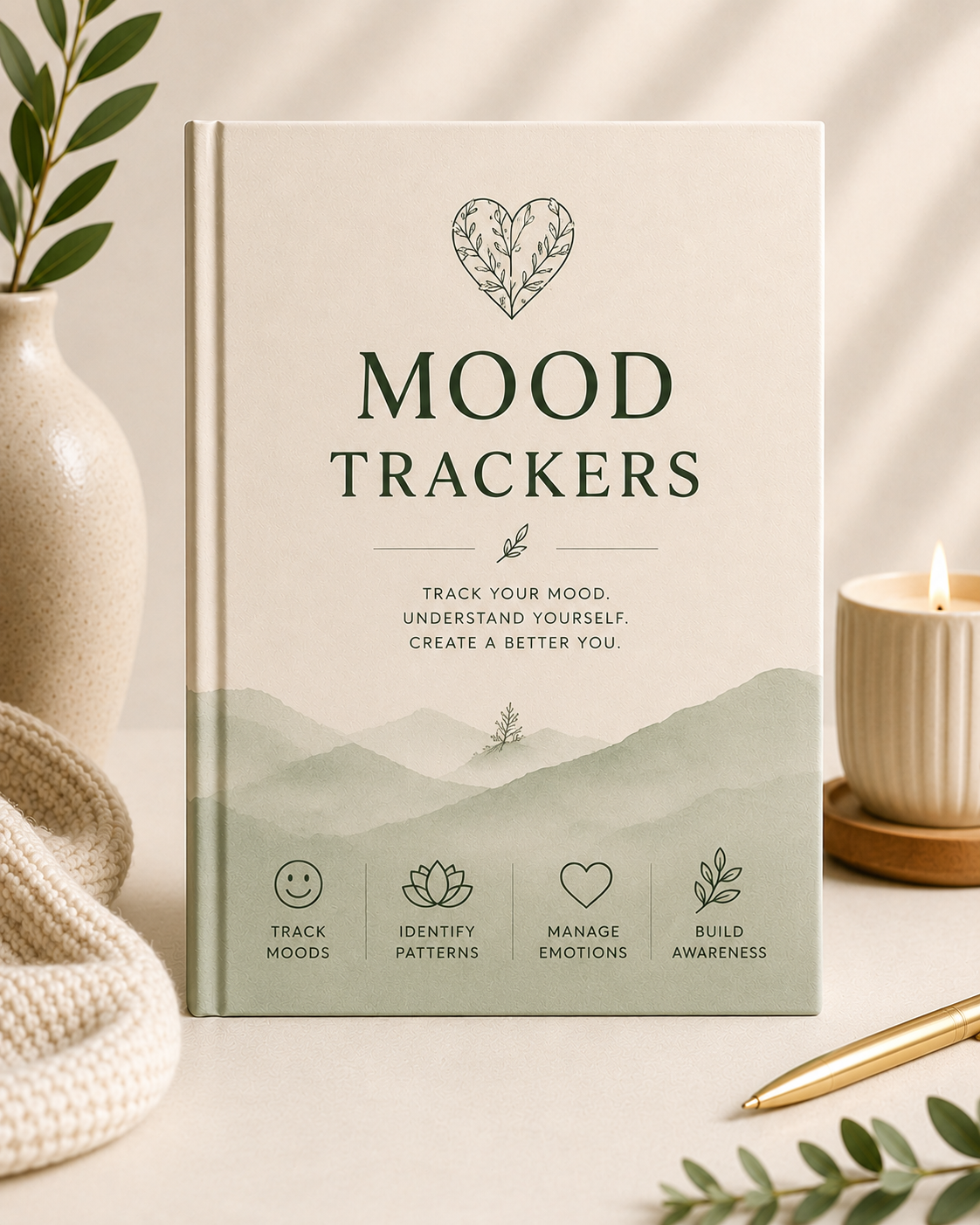
- Mood Trackers — because pain and mood are deeply connected, tracking both together often reveals the clearest patterns.

$16.99Add to cart

$9.99Add to cart
$9.99Add to cart
Tips to keep the habit going
Keep the tracker somewhere you’ll see it — a binder by your bed or on the kitchen counter. Fill it in at the same time each day so it becomes automatic. Print a fresh week or month whenever you need it (that’s the beauty of a PDF you own). And bring the relevant pages to your next appointment — your doctor will thank you.
A gentle note
Tracking your symptoms is a helpful tool, but it isn’t a substitute for medical care. Always share significant changes with your healthcare provider, and seek prompt medical attention for new, severe, or worsening symptoms. You know your body best — a good tracker just helps you tell its story clearly.
Ready to start? The Chronic Illness Planner is the simplest all-in-one place to begin — download it, print the pages you need, and log today. Save this post for whenever you need it.